

The 2027 general elections of Nigeria will be contested as much online as at the polls. Disinformation, polarisation and AI-generated fake audio and video can spread far faster than they can be checked. Ere Amachree, of the Heinrich Böll Foundation - Abuja, argues that the answer is not simply to fact-check viral claims once the damage is done. Drawing on five years of the Nigeria Green Academy, which turns five this year, Amachree makes the case for equipping young Nigerians to question, verify and challenge narratives before they take hold.

Democracy is facing a new and increasingly complex challenge. Across the world, authoritarian tendencies are no longer driven only by governments, political parties or security institutions. Technology, social media, artificial intelligence and increasingly sophisticated political narratives are creating powerful new channels through which intolerance, disinformation, polarisation and anti-democratic ideas can be amplified and rapidly disseminated across borders.
For Nigeria, this development is particularly significant as the country approaches the 2027 general elections. The electoral contest will take place not only at polling stations and political rallies, but also in an increasingly contested information environment. The Independent National Electoral Commission (INEC) has already identified information manipulation as a threat to electoral integrity, while concerns are growing about the potential use of artificial intelligence to create convincing but false audio, images and videos.
The issue of concern is therefore no longer simply how to respond when democratic space is threatened: it is how to build the resilience of citizens and institutions before the threat becomes a crisis. This is where the experience of the Nigeria Green Academy provides an instructive civil society response. As the Academy celebrates its fifth anniversary this year, its work offers an important lesson about investing in the people and networks that can help defend democracy in an increasingly challenging environment.
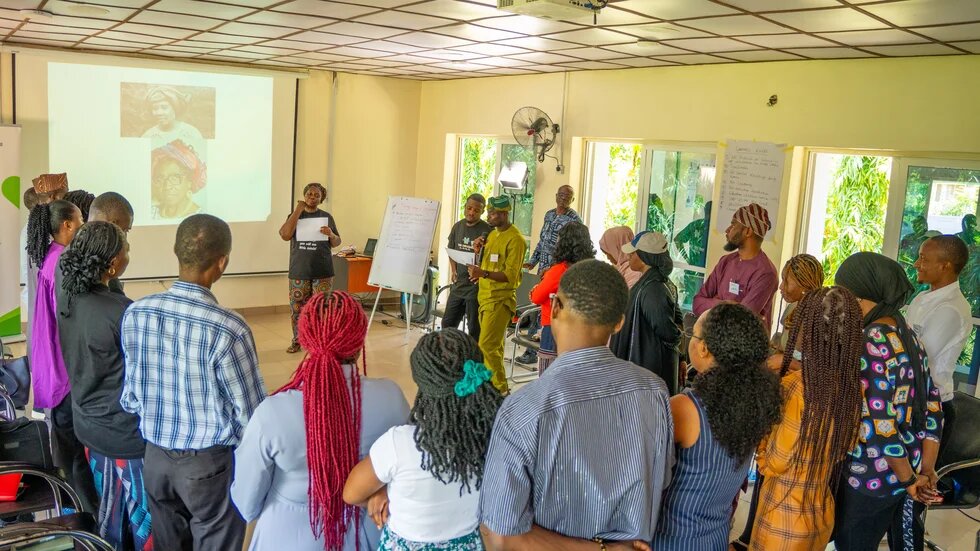
The Academy has brought together young activists, advocates, journalists, artists and social entrepreneurs to strengthen their understanding of authoritarian tendencies, human rights, inclusive democracy and shrinking civic space. More importantly, it has sought to equip participants to recognise emerging threats and develop the knowledge, skills and networks needed to speak out against them.
The significance of this approach lies in its recognition that authoritarianism can thrive when citizens become passive consumers of political narratives. A misleading video can circulate widely before it is verified. A divisive narrative can exploit existing social tensions and reinforce prejudice. An attack on democratic institutions can be repeated so frequently that it begins to appear normal. By the time the consequences become obvious, public trust may already have been weakened.
The response, therefore, cannot be limited to fact-checking individual claims after they have gone viral. It must include building a generation of citizens capable of asking critical questions before accepting, sharing, or acting upon information. The Green Academy's approach is particularly valuable because it brings together young people who influence public discourse in different ways. When these actors are connected, their individual capacities become part of a broader democratic ecosystem.
This is an important shift from simply responding to authoritarianism to building democratic resilience. Instead of waiting for civic space to contract before acting, resilience requires investing in people, relationships and institutions that can identify and challenge threats early. It means recognising young people not merely as beneficiaries of democracy programmes, but as producers of information, culture, ideas and political narratives.
This approach is especially relevant to the upcoming elections. Political competition is likely to intensify, while social media will continue to provide both opportunities for civic participation and avenues for manipulation. Artificial intelligence will make it increasingly difficult for citizens to distinguish authentic political communication from fabricated content. In such an environment, democratic resilience will depend not only on the strength of electoral institutions but also on the ability of citizens to navigate information critically and responsibly.
The responsibility for protecting Nigeria's democratic space therefore extends beyond INEC and civil society. INEC must continue to provide timely, accessible and trusted electoral information and strengthen mechanisms for responding to digitally manipulated electoral content. Political parties, candidates and their associates, must resist the temptation to weaponise misinformation and should take responsibility for the information disseminated through their platforms. The media must strengthen its capacity for digital verification and avoid inadvertently amplifying false or inflammatory narratives simply because they are trending.
Technology companies also have a responsibility to address coordinated manipulation, impersonation and harmful election-related content, while ensuring that African languages and contexts are adequately reflected in their systems. Meanwhile, civil society organisations must look beyond election observation and invest in sustained civic education, media literacy, youth leadership, digital resilience and cross-sector networks.
Young Nigerians have perhaps the greatest responsibility of all. They must become discerning consumers and responsible producers of political information, willing to pause, verify and question before sharing. They must also recognise that defending democracy requires more than participating in elections. It requires protecting the values of inclusion, tolerance, accountability, human rights and peaceful political participation between elections.
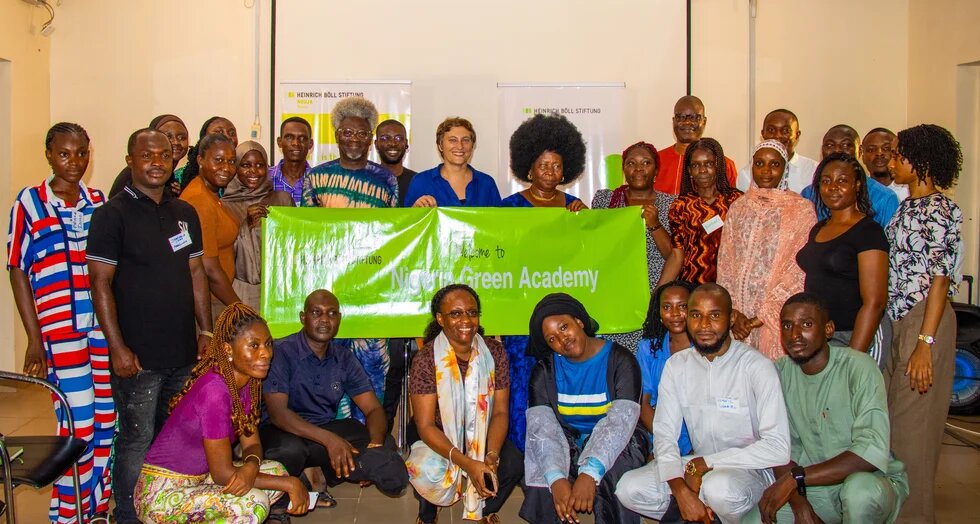
The fifth anniversary of the Nigeria Green Academy is therefore more than an institutional milestone. It is an opportunity to reflect on the importance of sustained investment in democratic citizenship. Five years of bringing together young people from different professional backgrounds demonstrates that democratic resilience is not built overnight, nor can it be created through interventions that begin only when elections are approaching.
Nigeria needs to invest not only in credible elections, but in the democratic ecosystem surrounding them. It needs informed citizens, ethical political actors, responsible media, accountable technology platforms, resilient civil society organisations and institutions capable of earning and maintaining public trust.
Finally, the defence of democracy is not only about protecting institutions when they come under attack. It is about preparing people to recognise the attack, question the narrative, defend civic freedoms, and offer credible alternatives.
The central lesson of the Nigeria Green Academy experience is therefore simple: democracy needs defenders before it needs rescuers. As authoritarian tendencies are increasingly amplified by technology and interconnected global narratives, Nigeria's greatest democratic investment may be in the citizens and networks that can ensure those tendencies do not become normalised.
An opinion piece written by Ere Amachree, Programme Manager, Rethinking Politics at Heinrich Böll Foundation, Abuja.