This special edition of Perspectives was compiled with the Heinrich Böll Foundation’s North Africa offices and the Transform Africa project. It is dedicated to the emerging conversation of alternative approaches that challenge the historical bias towards the industrialisation of agriculture and the food system as the main strategy to address food insecurity while preparing for a +2°C world.
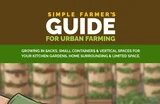
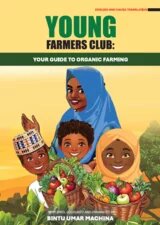
This manual has been developed in response to the growing need for practical, accessible, and climate-smart solutions to food production in Nigeria. With rising food prices, rapid urbanisation, shrinking land availability, and increasing pressure on household incomes, many families are seeking simple, reliable ways to grow some of their own food. This guide is designed to support households and communities, especially those with limited space, in adopting small-scale food production techniques that are both affordable and sustainable.
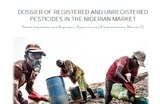
The Alliance for Action on Pesticides in Nigeria (AAPN) has prepared this dossier to provide up-to-date information on registered, traded, and used pesticides in Nigeria. The dossier categorizes pesticides, analyses active ingredients, showcases potential effects on human health and biodiversity, highlights the local and international regulatory status of the pesticides, and presents recommendations to mitigate associated risks.
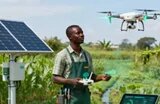
This new study shows how clean and innovative technologies, from solar dryers to biogas and solar irrigation, can boost productivity, cut waste and pollution, and drive a just transition in Nigeria’s agricultural sector.
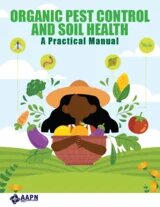
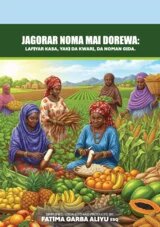
This manual addresses the urgent need for safer and more sustainable farming by promoting organic and agroecological practices. It aims to equip farmers, particularly women, with practical, low-cost methods for pest management that restore biodiversity, improve soil health, and reduce reliance on toxic chemicals.
A practical manual of low-cost solutions for managing pests without toxic chemicals aimed to help restore biodiversity, improve soil health, and preserve traditional agricultural knowledge, written in Hausa and English.
Africa needs to find ways to enable its population to lead better lives. This includes access to healthy and sustainably produced food. This policy paper takes a closer look at the role of synthetic fertilizers in African food systems.